Linear B Unicode Script
Linear B is an ancient script that was used primarily for writing Mycenaean Greek, the earliest attested form of the Greek language. Originating in the late Bronze Age, around the 15th century BCE, this syllabic script was employed primarily in administrative contexts. It was predominantly found on clay tablets and other artifacts across sites in mainland Greece and Crete, like Knossos and Pylos. Linear B is a derivative of the earlier and undeciphered Linear A script, which was used by the Minoan civilization. The script's primary purpose was record-keeping; thus, it consists mainly of lists, inventories, and other economic documents, which gives us direct insights into the bureaucratic processes of the time. Unlike later iterations of Greek writing systems, Linear B does not represent an alphabet but rather a collection of around 87 syllabic and logographic signs.
The decipherment of Linear B in 1952 by British architect and amateur linguist Michael Ventris, alongside classical scholar John Chadwick, provided significant insight into Mycenaean culture and language. This achievement revealed that the Greek language has been in continuous use for over 3,000 years, significantly extending the timeline previously understood by historians and linguists. Despite its utilitarian purpose, the script exhibits a complexity that underscores the advanced administrative capabilities of the Mycenaean civilization. Each symbol could represent a syllable, sound, or object, much like ancient Egyptian hieroglyphs or Chinese characters. The study of Linear B, therefore, not only contributes to our understanding of ancient Greek history and its language evolution but also illuminates the ways in which early civilizations managed and structured their societies.
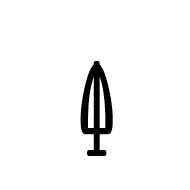
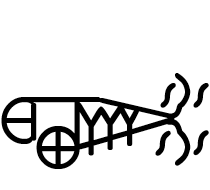
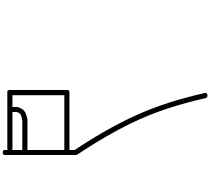
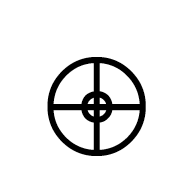
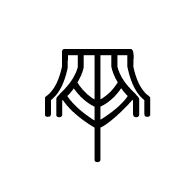
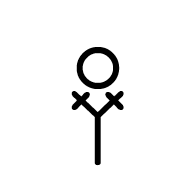
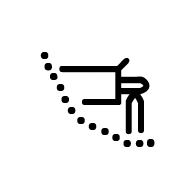
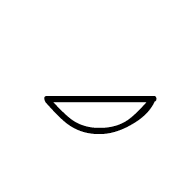
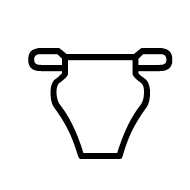
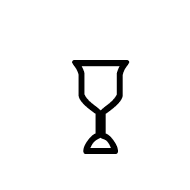
Below you will find all the characters that are in the 'Linear B' unicode script category. Currently there are 211 characters in this category.