Ethiopic Unicode Block - Page 4
The Unicode block "Ethiopic" is a character set that encompasses the unique script used for writing several languages in Ethiopia and Eritrea, such as Amharic, Tigrinya, and Ge'ez, the classical language of the Ethiopian Orthodox Church. This block facilitates digital representation and processing of scripts derived from the Ge'ez alphabet, which is an abugida—a writing system where each symbol typically represents a consonant-vowel combination. The Ge'ez script is characterized by its distinctive angular and bold strokes, with variations made to denote different vowel sounds achieved through diacritic-like modifications to the base consonantal characters. The writing system reads from left to right, and is known for its historical significance, with roots dating back to at least the 5th century BCE, continuously playing a significant role in the religious, literary, and cultural lives of people in the Horn of Africa.
Allocated within the Unicode Standard since version 3.0, the Ethiopic block ranges from U+1200 to U+137F, encompassing several sets necessary for the correct rendering of texts in the aforementioned languages. It includes numerals, punctuation, and a plethora of syllabic glyphs that accommodate the diverse phonetic needs of Ethiopian and Eritrean languages. The addition of Ethiopic to the Unicode Standard has been pivotal in bringing these linguistic traditions into the digital age, ensuring accurate text representation and facilitating the creation and sharing of electronic texts, educational materials, and software in indigenous Ethiopian languages. This inclusion has also encouraged computer literacy and the use of technology among speakers of these languages, strengthening cultural preservation and engagement in a rapidly globalizing world.
View a range of fonts that support the Ethiopic block.
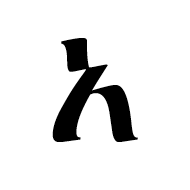
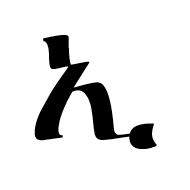
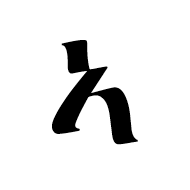
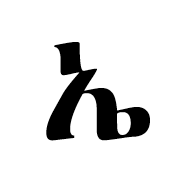
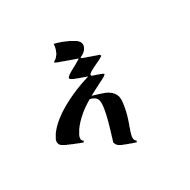
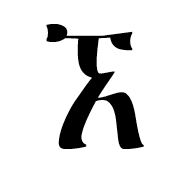
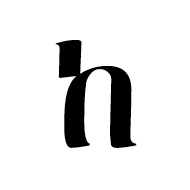
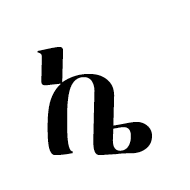
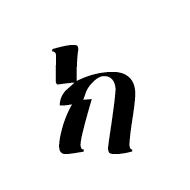
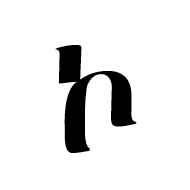
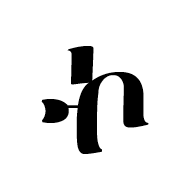
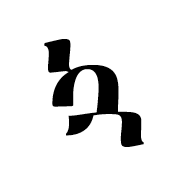
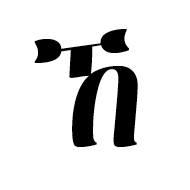
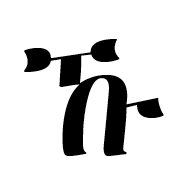
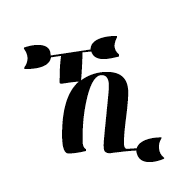
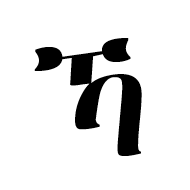
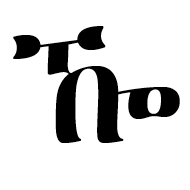
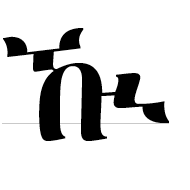
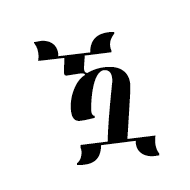
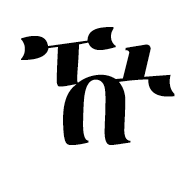
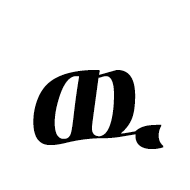
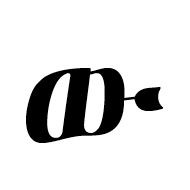
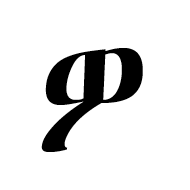
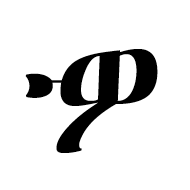
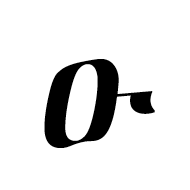
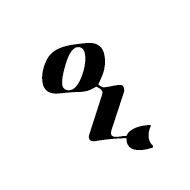
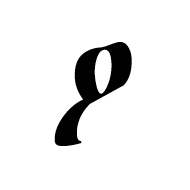
Below you will find all the characters that are in the Ethiopic unicode block. Currently there are 358 characters in this block.