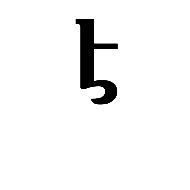
Modifier Letter Unicode Category
Modifier letters are a distinct subset of characters in the Unicode standard, categorized under the 'Modifier Letter' category. These characters primarily function to alter the sound of a preceding letter or to provide additional phonetic detail, commonly used in various linguistic notations and phonetic alphabets like the International Phonetic Alphabet (IPA). Unlike regular letters, modifier letters are not meant to stand alone as independent alphabetic characters. Instead, they act as supplementary symbols that offer nuanced variations in sound, pitch, tone, or stress, thus enriching the phonetic and orthographic representation of language. For example, the modifier letter ː indicates a lengthened vowel sound in the International Phonetic Alphabet. This character is not intended to be confused with punctuation or diacritical marks, which have distinct roles in modifying letters or sounds.
Modifier letters serve essential roles across diverse languages and scripts, reflecting a wide array of phonetic intricacies. In linguistic and formal phonetic contexts, they facilitate precise transcription and pronunciation interpretations, ensuring clarity and accuracy in written communications, especially in academic, linguistic, or educational settings. Their usage isn't limited to linguistic applications; they can also appear in specialized areas such as mathematical notation or even musical scripts, where they might indicate alterations in pitch or rhythm. By providing greater depth and flexibility in encoding phonetic information, modifier letters significantly contribute to the textual richness and diversity supported by the Unicode standard, which strives to represent the world's written languages comprehensively.
Below you will find all the characters that are in the 'Modifier Letter' Unicode category. Currently there are 473 characters in this category.